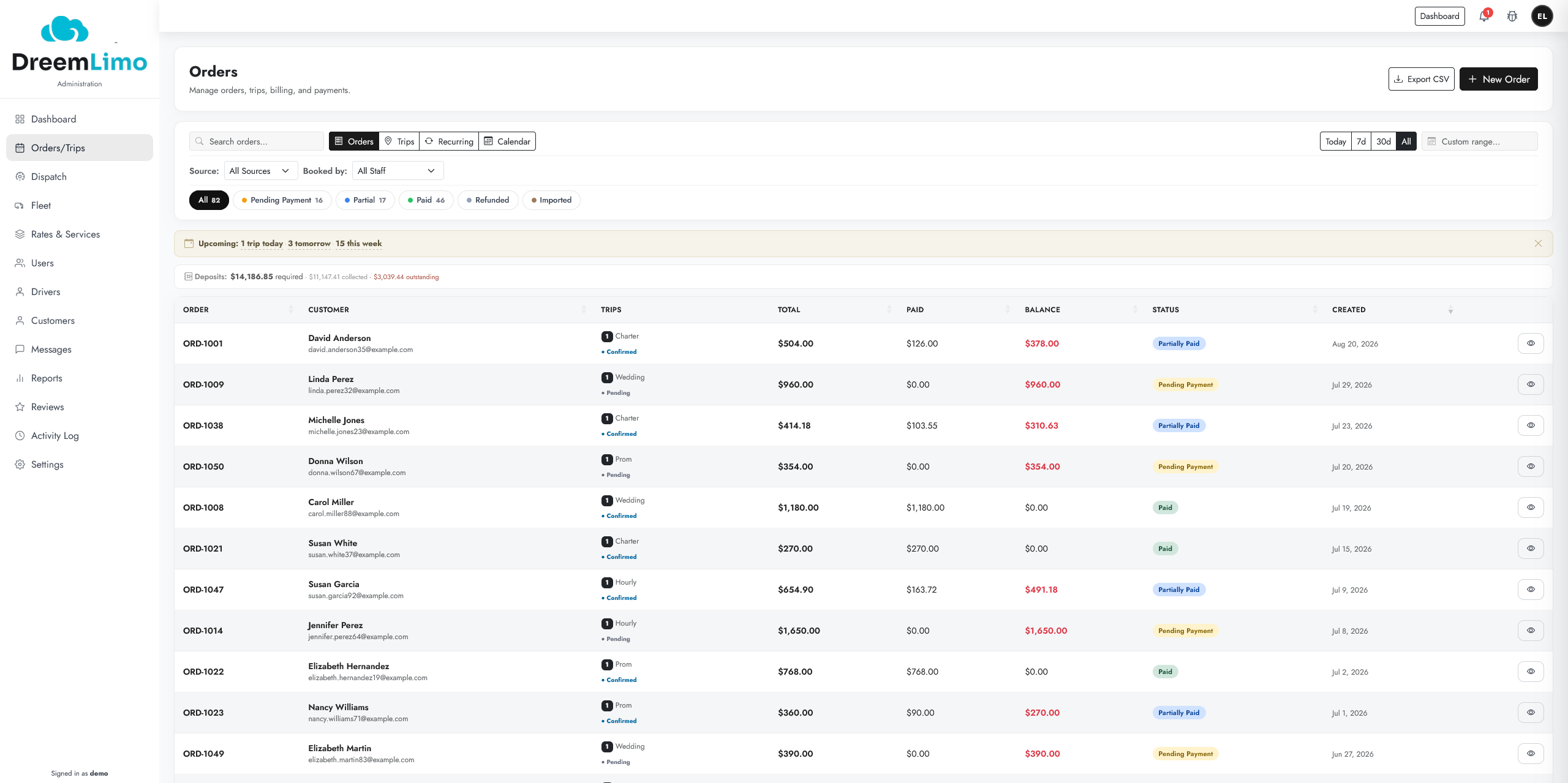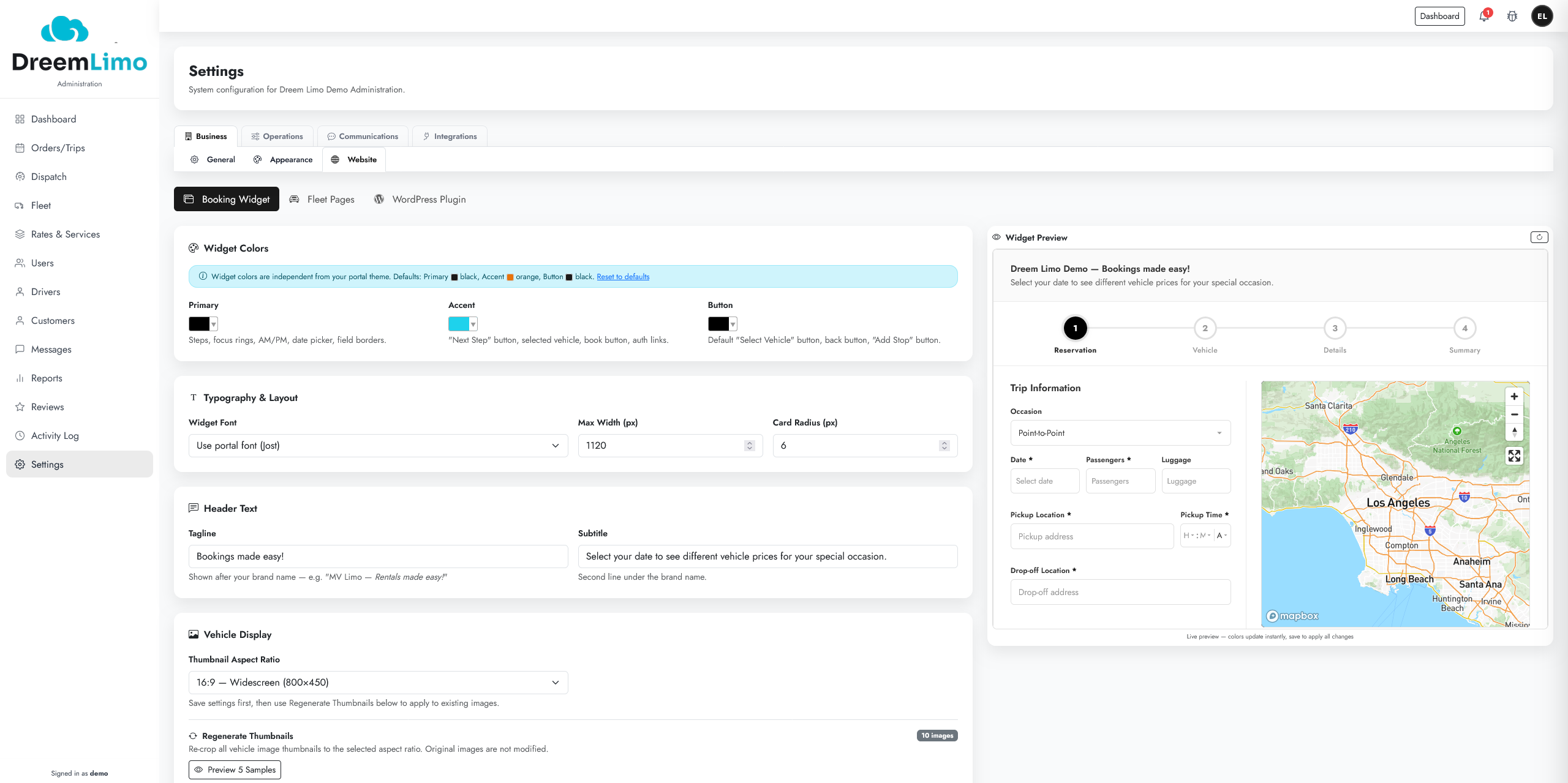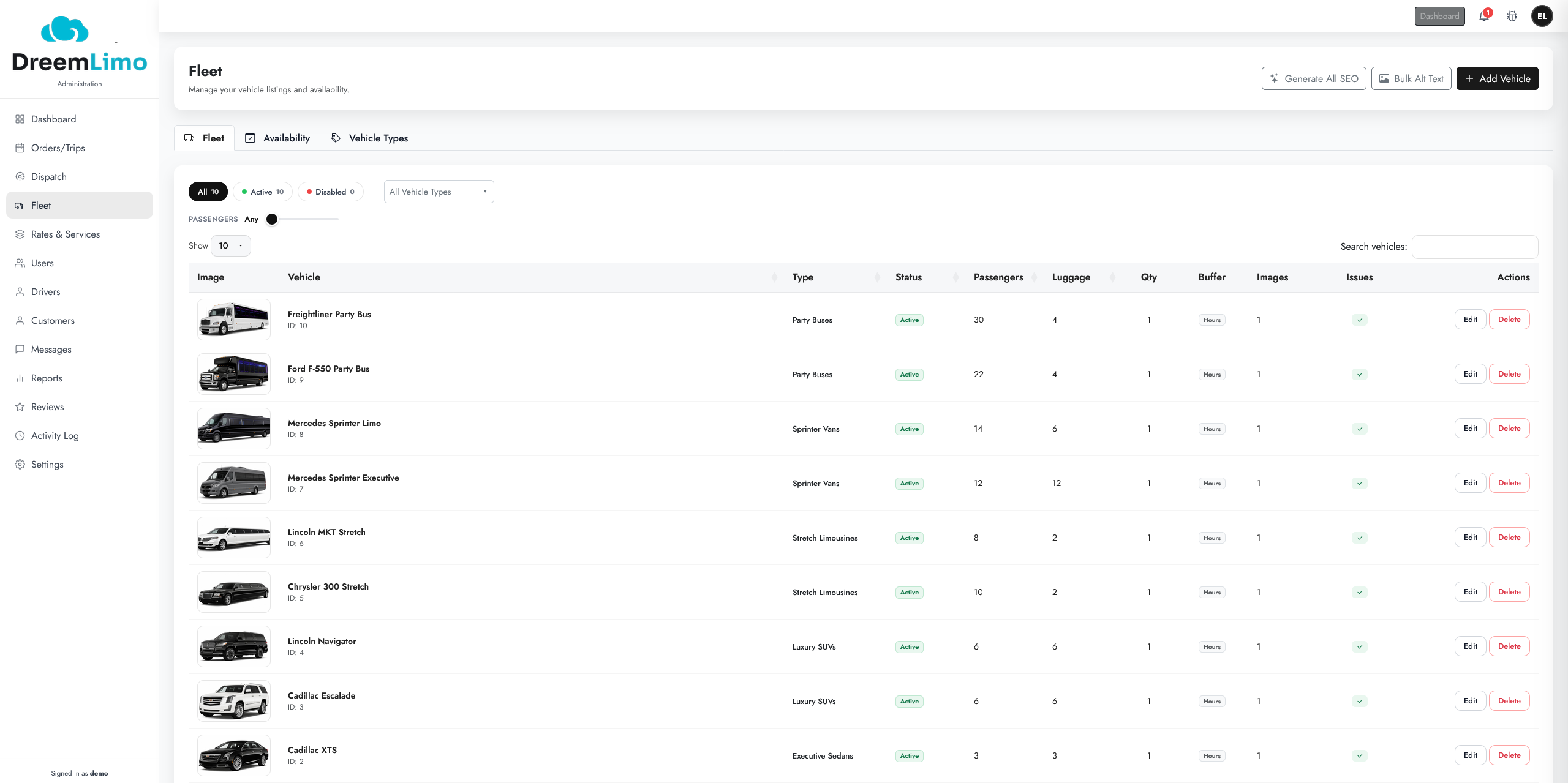
Limo booking software vs manual dispatch is no longer just a tech question — it's a revenue question. Here's what each approach actually costs operators in the local area in 2026.
It is 2:14 a.m. on a Tuesday. A corporate traveler needs a black-car pickup at the airport in six hours. They fill out your contact form, then immediately request a quote from two competitors. By 7 a.m. you call back — they already booked elsewhere. That single missed airport transfer is worth roughly $85 to $150 in the regional market. Miss three of those a week and you have lost between $13,000 and $23,000 a year before accounting for the repeat business that never starts. This is the real cost hiding inside the limo booking software vs manual dispatch debate.
What Does a Missed Inquiry Actually Cost You?
Every unanswered inquiry during off-hours is a booking that goes to a competitor or to Uber Black. In the local area, airport transfers typically range from $75 to $160, while hourly wedding packages often run $150 to $350 per hour with a 3-hour minimum. Prom and wedding season — roughly April through June — can represent 30 to 40 percent of an operator’s annual revenue, and most of those bookings are researched and placed between 9 p.m. and midnight by parents and brides who will not call back in the morning.
Manual dispatch (handling all reservations by phone, text, or email without dedicated limousine software) creates three specific money leaks. First, response lag: a study by Harvard Business Review found that leads contacted within five minutes are 21 times more likely to convert than those contacted after 30 minutes. Second, no card-on-file capture: without automated payment collection at booking, no-show rates on unconfirmed reservations can run 10 to 20 percent. Third, deadhead exposure (deadhead means driving empty to or from a job with no revenue attached): operators who book manually often accept runs without checking the return leg, stacking unpaid miles.
Our drivers in the local area handle roughly 4 to 6 airport runs on a busy Friday, and we see the same pattern every week: the jobs that book after 10 p.m. are almost always the ones that came through an online form — never a phone call.
Limo Booking Software vs Manual Dispatch: A Side-by-Side Look
The core difference between limo booking software and manual dispatch is who does the work at 2 a.m. — you or the platform. Below is a direct comparison across the factors that affect your bottom line most.
| Factor | Manual Dispatch | Limo Booking Software |
|---|---|---|
| After-hours booking | Lost to competitors or Uber Black | Captured automatically, 24/7 |
| Quote turnaround | Minutes to hours; often next morning | Instant, zone-based or flat-rate pricing displayed at checkout |
| Double-booking risk | High — a shared spreadsheet or whiteboard dispatch board misses conflicts | Low — calendar locks the vehicle at confirmation |
| Payment capture | Manual invoicing; no-show rate 10–20% | Card-on-file at booking; cancellation policy enforced automatically |
| Owner hours per week | 8–15 hours on admin, phone-tag, and scheduling | 2–4 hours on exceptions and customer service |
| Farm-out coordination | Manual calls to affiliate operators; slow confirmation | Some platforms integrate affiliate or farm-out (subcontracting overflow runs to partner operators) networks directly |
| Review and referral loop | Depends on owner remembering to follow up | Automated post-ride email or SMS triggers review requests |
| Monthly software cost | $0 in software; high in owner labor | Typically $80–$350/month depending on fleet size and features |
Limousine software platforms vary widely. Entry-level limo apps handle booking forms and basic scheduling. Mid-tier limousine booking software adds driver apps, GPS dispatch boards, and automated payment. Enterprise limousine software layers in fleet analytics, ACCA-style route optimization, and multi-location support. For a 1-to-8 vehicle operation in the local area, mid-tier is usually the right fit.
How Larger Fleets Handle Dispatch — and What Small Operators Can Borrow
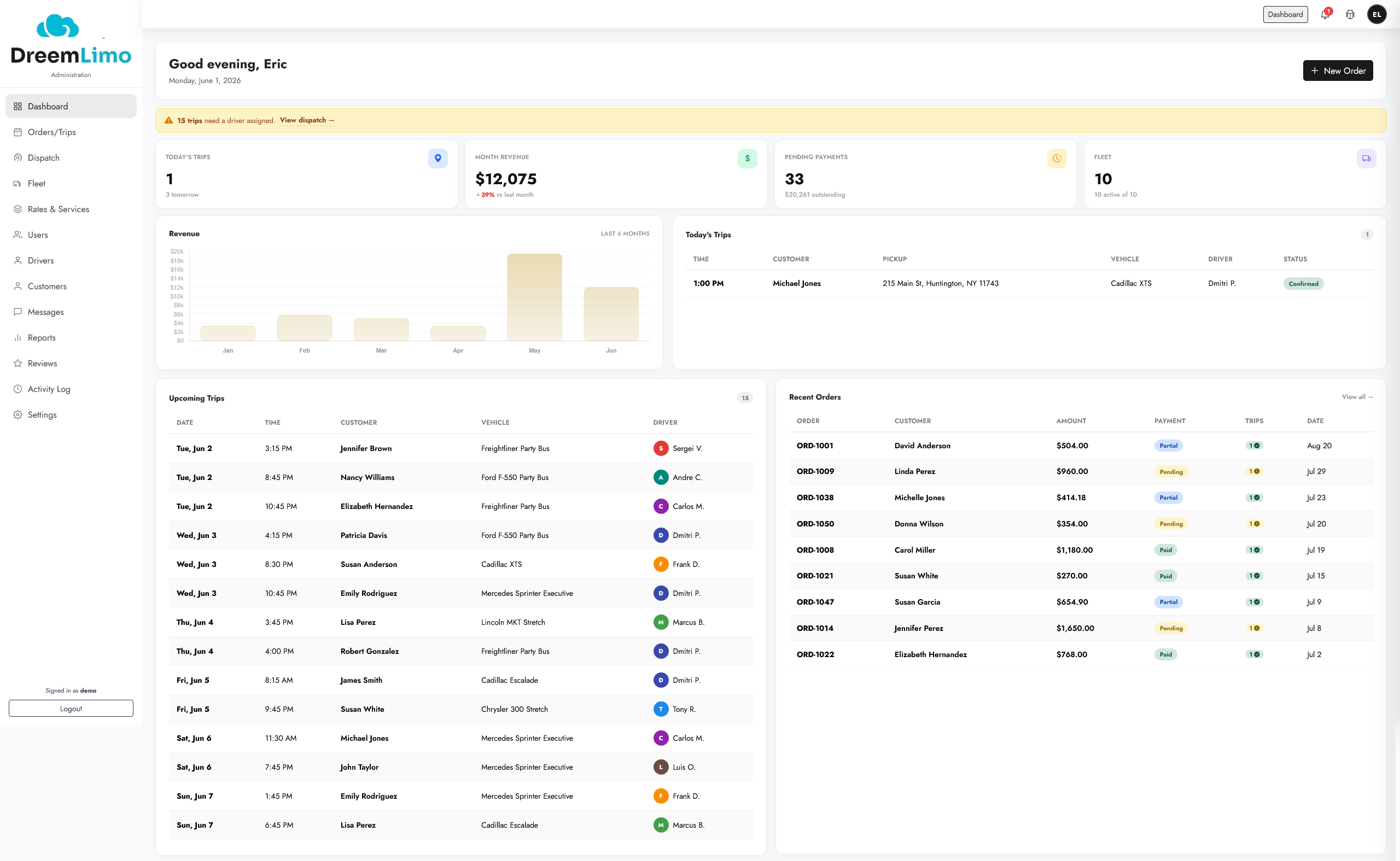
Fleets running 15 or more vehicles almost universally use dedicated limousine software with a live dispatch board — a visual grid showing every vehicle, driver, and run in real time. They also enforce hourly minimums (a set number of billable hours required per booking, regardless of actual run time) on all event work and use zone-based pricing (flat rates tied to geographic zones rather than metered miles) to eliminate quote-by-quote negotiation.
Small operators can borrow three specific habits from larger fleets right now, regardless of what software they use:
- Publish a rate sheet publicly: Even a simple PDF on your website with airport flat rates and hourly minimums cuts quote-writing time by roughly 50 percent and filters out price-shoppers before they call.
- Require a deposit at booking: A 25 to 50 percent deposit collected at reservation drops no-show rates dramatically and creates a paper trail that protects you in chargeback disputes.
- Block your dispatch board 48 hours out: Freeze confirmed runs in your calendar 48 hours before the job so no one — including you — can accidentally double-book a stretch SUV the night before prom.
As of 2026, federal fleet electrification incentives and rising fuel costs are pushing more corporate travel managers toward pre-negotiated black-car contracts rather than on-demand rideshare. Operators who can show a clean booking history and automated invoicing are winning those contracts over competitors still running on spreadsheets.
What Can You Fix This Week Without New Software?
Three changes cost nothing and can recover 5 to 10 hours of owner time per week starting immediately. None require purchasing new limo apps or overhauling your current system.
- Set up a Google Business Profile auto-reply: A canned response that delivers your rate sheet and a booking link within seconds of a message costs $0 and answers the 2 a.m. inquiry before a competitor does.
- Create a booking form in Google Forms or Typeform: Capture vehicle type, date, pickup ZIP, drop-off location, and passenger count before you ever call back. This cuts the average quote call from 12 minutes to 4 minutes.
- Build a cancellation policy and put it in writing: A signed or checkbox-confirmed 48-hour cancellation policy, sent via email at booking, gives you legal standing in chargeback disputes and reduces last-minute cancellations by 15 to 25 percent based on typical operator experience in the regional market.
These are stopgaps, not solutions. But they bridge the gap while you evaluate full limousine booking software options. Operators in the local area who implement all three typically report getting their first full weekend back within two weeks.
Where Automation Changes the Math for Local Operators
The financial case for limo booking software becomes clear when you price your own time honestly. If you value your owner hours at $40 per hour — conservative for someone also driving, marketing, and managing — and manual dispatch consumes 10 hours a week, that is $400 a week or roughly $20,000 a year in opportunity cost. A mid-tier limousine software subscription at $150 to $250 a month costs $1,800 to $3,000 annually. The math is not close.
A mid-tier limousine software subscription at $150 to $250 a month costs $1,800 to $3,000 annually — compared to $20,000 a year in owner opportunity cost from manual dispatch.
Rideshare competition is real in the local area. Uber Black has trained corporate travelers to expect instant confirmation and digital receipts. Operators who cannot match that experience on their own branded platform are competing on price alone — a race that independent operators rarely win. A branded booking page that confirms instantly, sends a driver photo and ETA, and emails a receipt positions your service above rideshare on professionalism without requiring you to undercut on price.
Across our service calls in the local area, we track roughly 3 times more holiday-party and corporate-event inquiries in November and December than in any other two-month window. Operators still on manual dispatch during that surge are the ones calling us in January asking why their reviews dropped — it is almost always tied to response time failures during peak demand.
The Inflation Reduction Act federal tax credit expanded business equipment deductions that may apply to software subscriptions and EV fleet additions as of 2024 — worth checking with your accountant before the 2026 filing year. That can reduce the net cost of a limousine software platform further in the first year.
- ENERGY STAR-rated EV fleet additions qualify for separate federal incentives that stack with software deductions in some cases.
- Automated review requests sent within 2 hours of job completion generate 3 to 5 times more Google reviews than manual follow-up, based on typical operator data in the regional market.
- Zone-based pricing in software eliminates the 8 to 12 minutes per quote that phone-tag quoting consumes and removes the risk of underpricing a long-haul airport run.
Ready to Stop Leaving Runs on the Table in the Local Area?
If manual dispatch is costing you 10 hours a week and three to five missed bookings a month, the question is not whether to switch — it is how fast you can do it without disrupting current operations.
Dreem Limo works with operators in the local area to evaluate their current booking workflow and identify the specific gaps — whether that is after-hours capture, double-booking risk, or payment collection. Whether you are running 2 vehicles or 20, the right limousine software setup pays for itself within the first 60 to 90 days for most operators.
Call Dreem Limo to schedule a walkthrough of how a branded booking platform would work for your specific fleet and market. Get a clear picture of what your current manual dispatch workflow is actually costing you before prom season and wedding season hit again.
Frequently Asked Questions
How much does limo booking software typically cost per month?
In the regional market, limousine booking software generally runs $80 to $350 per month depending on fleet size and features. Entry-level limo apps cover basic scheduling, while mid-tier platforms add driver apps, GPS dispatch, and automated payments. Most operators in the local area find that mid-tier options pay for themselves within 60 to 90 days through recovered missed bookings alone. Contact Dreem Limo to get a realistic estimate for your specific fleet size.
Can I run a small limo business without booking software?
Yes, but manual dispatch typically costs operators 8 to 15 hours a week in phone-tag quoting, scheduling, and follow-up. For a 1-to-3 vehicle operation in the local area, the immediate free fixes — a published rate sheet, a Google Forms booking intake, and a written cancellation policy — can recover several of those hours without any software purchase. As your fleet grows past 4 vehicles, the double-booking risk and after-hours missed bookings usually tip the math toward dedicated limousine software.
What is the biggest risk of sticking with manual dispatch in 2026?
The biggest risk is losing after-hours bookings to competitors and Uber Black. Most event and airport inquiries in the local area come in between 9 p.m. and midnight, and a lead that does not get an instant response typically books elsewhere within 30 minutes. A single missed airport transfer is worth $85 to $160; missing three per week adds up to $13,000 to $23,000 annually in lost revenue.
How do I stop double-bookings when I manage dispatch manually?
The most effective manual fix is freezing confirmed runs on your dispatch board 48 hours before the job so no one can accidentally assign the same vehicle twice. Using a shared digital calendar — even Google Calendar — with color-coded vehicles reduces double-booking incidents significantly compared to a whiteboard. That said, limo booking software locks the vehicle automatically at the moment of confirmation, which is the only way to eliminate the risk entirely rather than just reduce it.
Does limo booking software help with Uber Black competition?
Yes, in a specific way. Uber Black has trained corporate travelers to expect instant confirmation, a driver photo, and a digital receipt. A branded limousine booking platform that delivers the same experience positions your service above rideshare on professionalism without requiring you to compete on price. In the local area, operators with a branded booking page and automated post-ride receipts consistently win corporate travel contracts over operators who quote by phone.