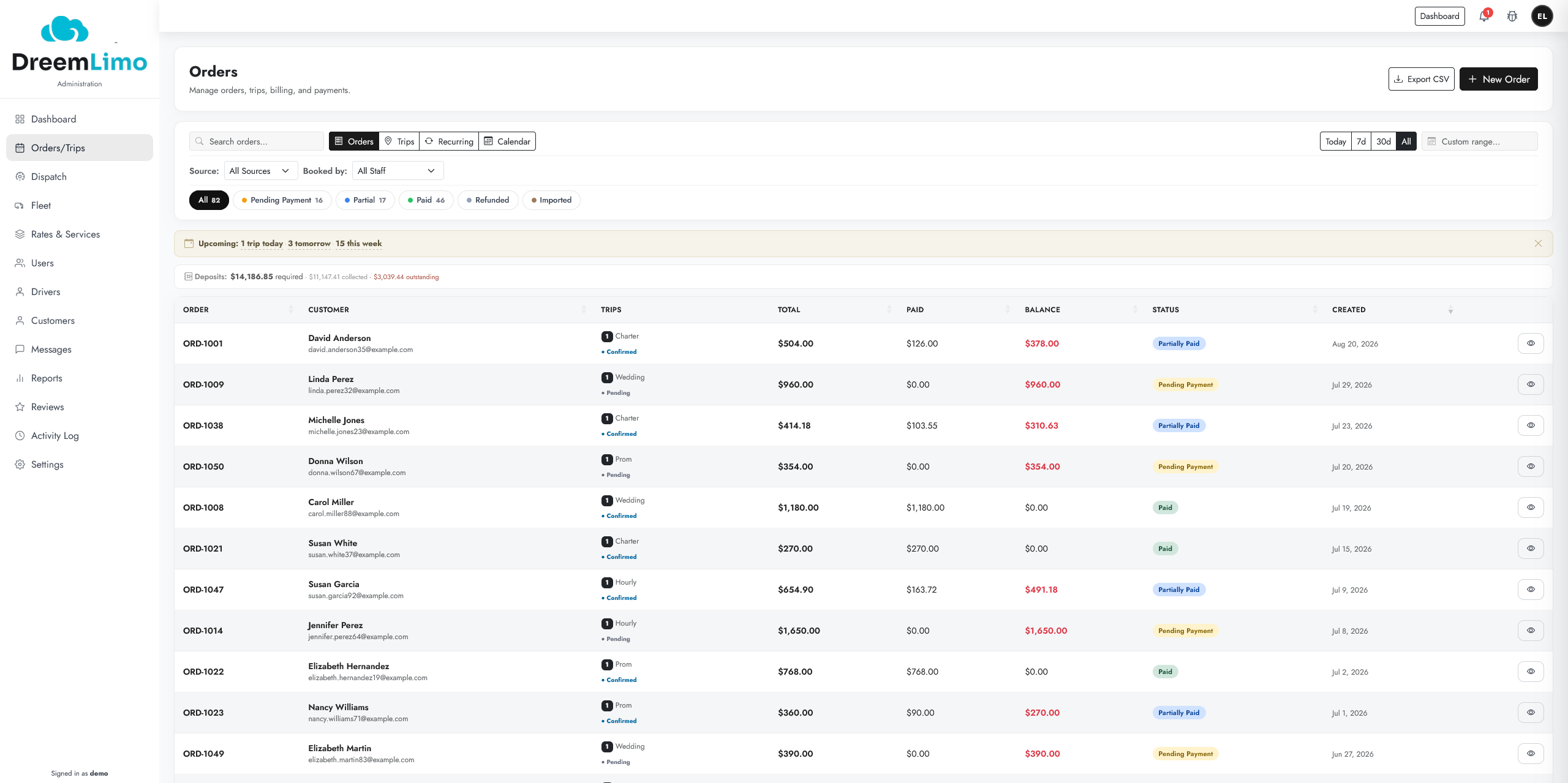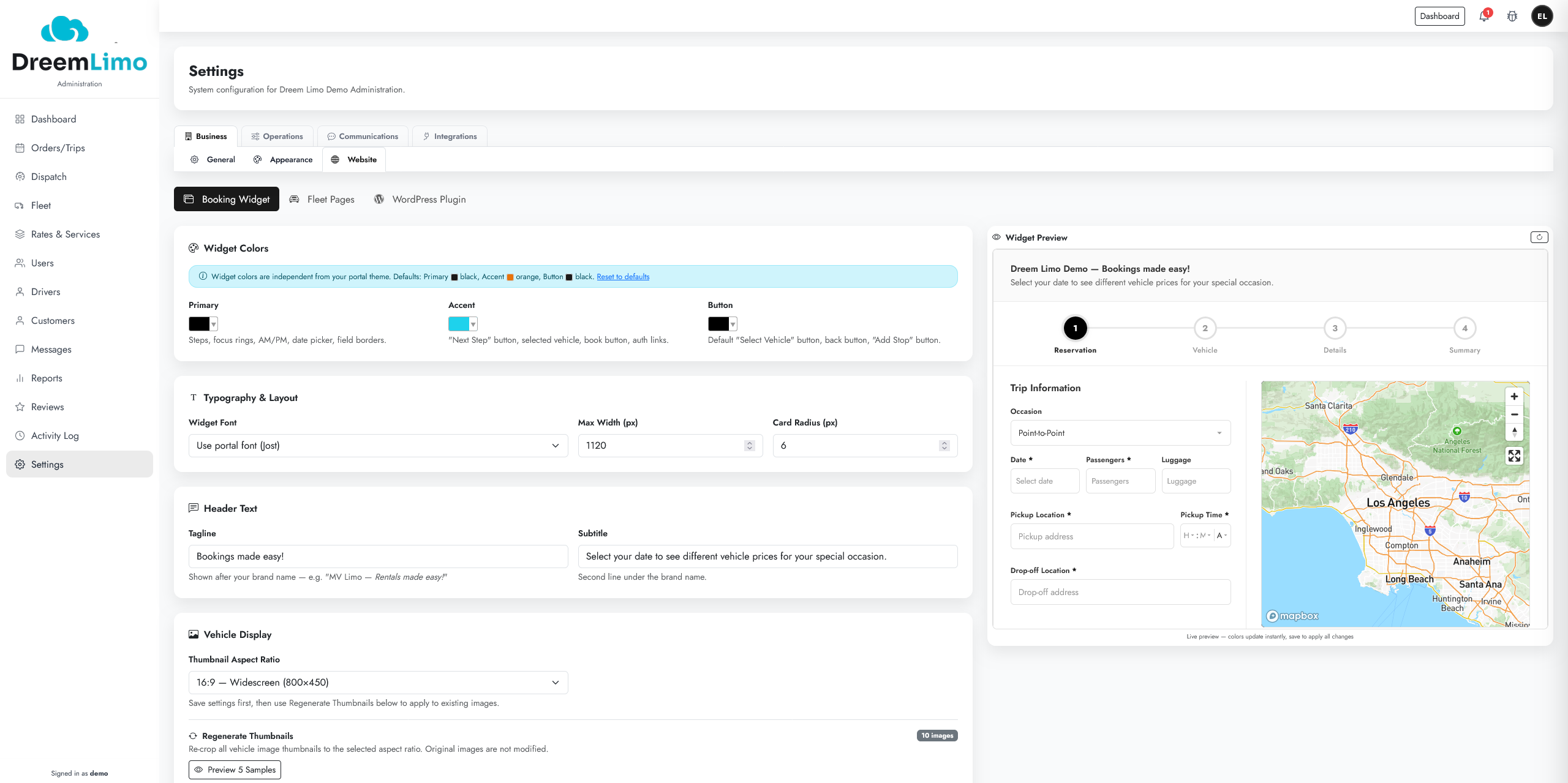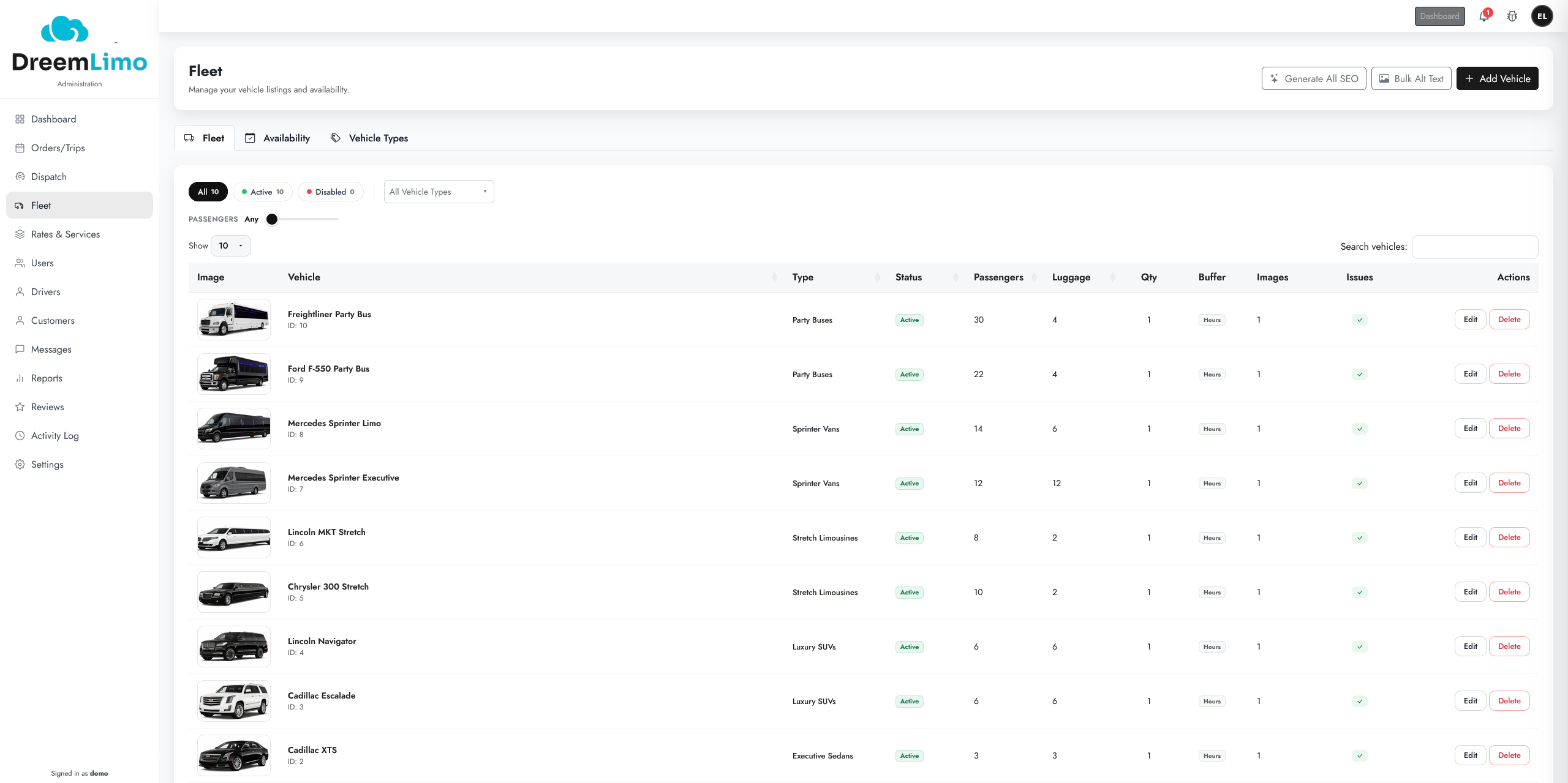
A practical buyer's guide for limo, black-car, and party-bus operators researching the best limo booking software in 2026 — covering what missed bookings really cost, what features matter, and how to choose the right limousine software for a 1–25 vehicle fleet.

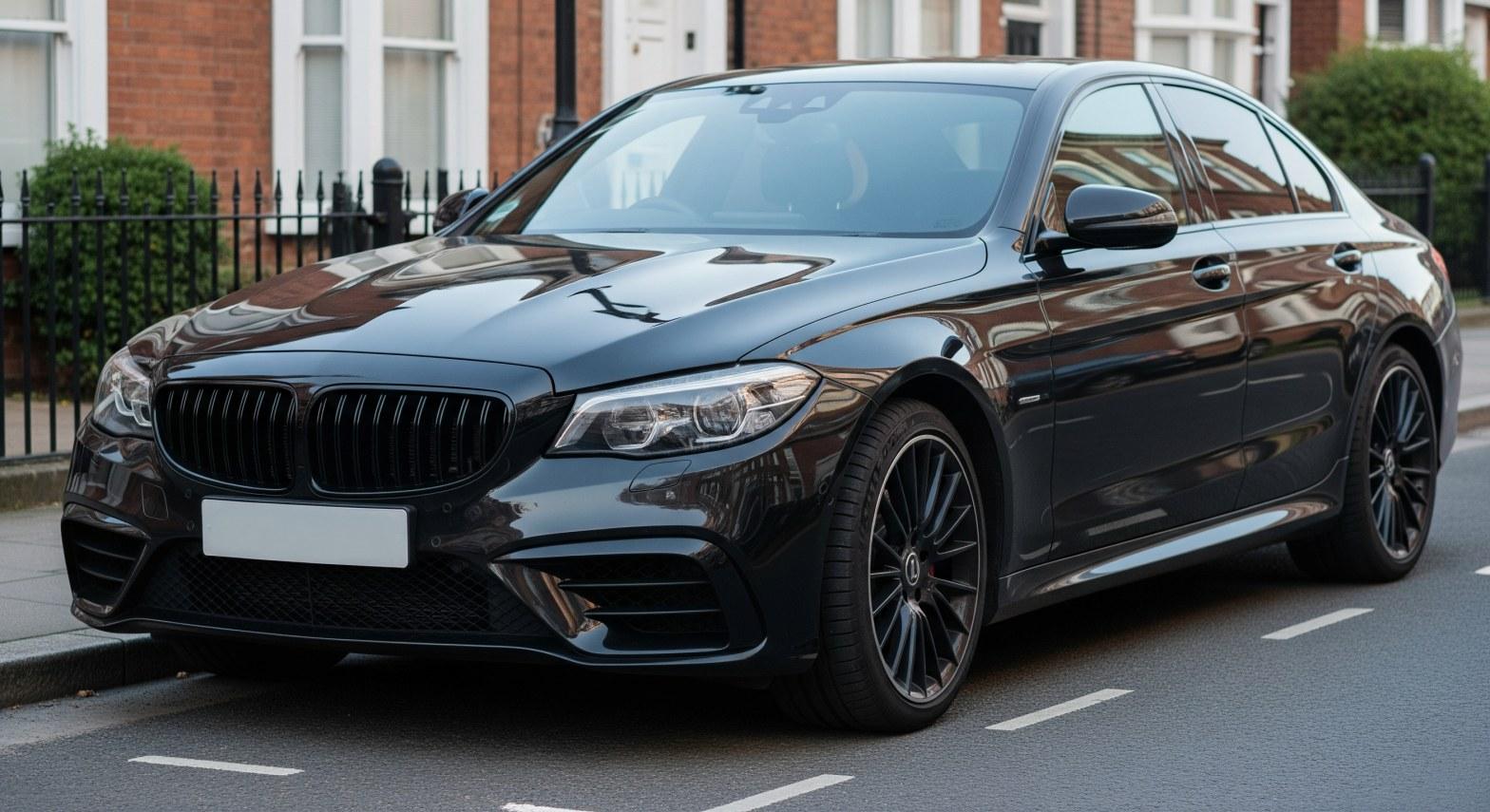
It is 2:07am on a Thursday. A corporate traveler needs a black-car pickup from the airport at 5:30am. They find your website, fill out the contact form, and wait. You are asleep. By 2:15am they have booked with someone else. That one job — a standard airport transfer — runs between $85 and $180 in most local markets depending on distance and vehicle class. Multiply that by 3 or 4 nights a week and you are looking at a real revenue leak. This is exactly the problem the best limo booking software 2026 is built to solve, and this guide will help you decide which platform fits your fleet.
What does a missed booking actually cost your operation?
A single unanswered overnight inquiry costs the average small operator between $100 and $250 in gross revenue. Over a full wedding season — roughly April through October — that adds up fast. The math gets worse when you factor in that the caller you missed often leaves a review for whoever did answer.
Consider the job types on your dispatch board. A standard airport transfer in the local area typically bills at $95 to $160 one-way. A 4-hour minimum wedding package on a stretch SUV (a vehicle rented for a fixed block of hours regardless of actual use) commonly runs $500 to $900 in this regional market. A corporate hourly booking with a 3-hour minimum sits somewhere in between. Missing one wedding inquiry during prom or wedding season is not a $150 problem — it is a $700 problem, and the couple will book someone else before breakfast.
Missing one wedding inquiry during prom or wedding season is not a $150 problem — it is a $700 problem, and the couple will book someone else before breakfast.
Phone-tag quotes are the second drain. If it takes you 4 phone calls and 2 emails to close a single wedding booking, and you value your own time at $50 an hour, that quote cost you $30 to $60 in owner labor before you ever moved the vehicle. The U.S. Small Business Administration consistently flags unbilled owner labor as one of the most underestimated costs in service businesses.
No-shows and chargebacks are a third reality. Without card-on-file capture (storing a customer’s payment method at booking so you can charge a cancellation fee), late cancellations on prom night or New Year’s Eve leave you with a deadhead (a vehicle and driver dispatched but earning nothing). Operators running manual booking processes report chargeback rates of 2 to 5 percent on credit-card transactions — a number that drops sharply when automated confirmation emails and signed digital terms are part of the booking flow.
What features should you look for in the best limo booking software 2026?
The five features that move the needle for a 1–25 vehicle fleet are: instant online booking with real-time availability, zone-based or point-to-point pricing, card-on-file capture at reservation, driver dispatch from a mobile app, and farm-out management. Everything else is secondary until those five work reliably.
Here is how the core features compare across the decisions most operators face:
| Feature | Why it matters | Without it, you lose |
|---|---|---|
| Online booking with instant confirmation | Captures the 2am inquiry without a phone call | Bookings to competitors who do have it |
| Zone-based or flat-rate pricing engine | Quotes airport runs accurately without manual math | Owner time and quoting errors |
| Card-on-file capture | Enables cancellation fees and reduces no-shows | Revenue on late cancellations and no-shows |
| Driver dispatch app | Sends job details to drivers without phone calls | Dispatcher time; dispatch errors |
| Farm-out management | Lets you accept jobs you sub-contract to affiliate operators | Revenue on dates your own fleet is full |
| Automated review requests | Builds Google and Yelp ratings passively | Competitive visibility in the local area |
Farm-out management deserves a closer look. When your fleet is sold out on New Year’s Eve and an inquiry comes in, the right limousine software lets you accept the booking and route it to a vetted affiliate — keeping the customer relationship and earning a margin on the sub-contracted job. Without that feature, you just turn away revenue.
Pricing for limo apps varies widely in this market. Entry-level platforms typically run $79 to $199 per month for a single-user license. Full-featured limousine software with dispatch, CRM, and affiliate network access generally ranges from $250 to $600 per month depending on fleet size and add-ons. Per-booking transaction fees of 1 to 3 percent are common on platforms that also process payments. Always calculate total cost of ownership — monthly fee plus transaction fees — against your average monthly booking volume before committing.
How do larger fleets use limousine software differently than small operators?
Fleets with 10 or more vehicles typically use limousine software as a full operations layer — connecting dispatch, accounting, driver payroll, and affiliate networks in one system. Operators running 1 to 5 vehicles usually need only the booking, dispatch, and payment pieces to see a real return.
Larger operators lean on the dispatch board (a real-time visual map of vehicle locations and job assignments) to manage concurrent runs. On a busy prom night in the local area, a 15-vehicle fleet might have 12 vehicles running simultaneously across different ZIP codes. Without software, that coordination happens on whiteboards and group texts — and double-bookings happen. Our team has seen dispatch errors spike on high-demand nights when operators tried to manage more than 8 concurrent runs manually; the threshold where software becomes non-negotiable is typically around 6 vehicles.
The threshold where software becomes non-negotiable is typically around 6 vehicles running concurrent jobs on a peak night.
Corporate account management is another differentiator. Larger fleets often serve 10 to 30 recurring corporate clients who book weekly airport runs. The right limo software tracks each account’s billing preferences, standing pickup instructions, and monthly invoicing — saving 3 to 5 hours of admin work per week at that volume.
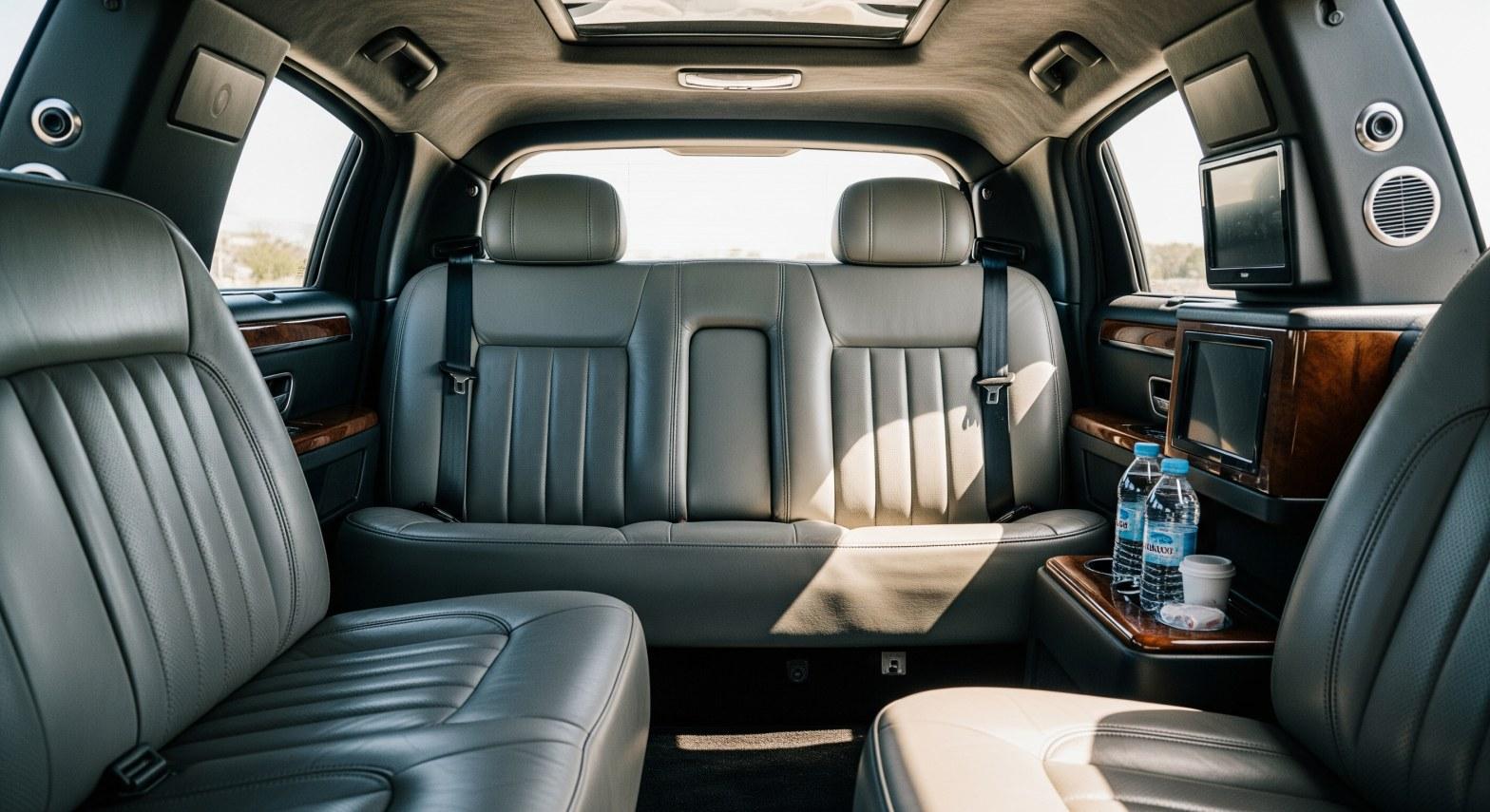
Rideshare competition from Uber Black is real, but it operates differently. Uber Black captures the impulse booking — someone who needs a car in 8 minutes. Limo and black-car operators capture the planned event: the wedding, the corporate retreat, the prom group, the airport run booked 3 days out. The right limousine software leans into that: it handles deposits, itineraries, and multi-stop runs that a rideshare app cannot.
What can you do this week before committing to new limo software?
Three changes you can make in the next 5 business days will reduce missed bookings and improve quote speed, even before you sign a software contract. None of them require a new platform.
- Set up a Google Business Profile auto-reply: A free message template that tells after-hours inquirers you will respond within 2 hours captures the lead instead of losing it. Takes about 20 minutes to configure.
- Create a standard quote template: A fillable PDF or Google Doc with your vehicle options, hourly minimums, zone-based flat rates, and gratuity policy cuts quote time from 15 minutes to 3 minutes per inquiry.
- Add a booking deposit requirement: Even a manual Venmo or Zelle deposit of $50 to $100 at confirmation reduces no-shows by roughly 60 percent on event bookings, based on common operator experience across the industry.
- Audit your review count: If your Google profile has fewer than 25 reviews, spend 30 minutes this week texting your last 20 completed clients a direct review link. Reviews are the primary trust signal for a first-time local customer choosing between 3 operators in the local area.
- Map your peak demand windows: Write down your 6 highest-demand dates for the next 12 months — prom weekends, wedding Saturdays, holiday party season (typically the first 3 weekends of December), and major corporate travel weeks. Those are the dates where a double-booking or missed inquiry costs the most.
These steps also give you a baseline. Once you have a quote template and a deposit process, you will know exactly which parts of your booking flow the software needs to replace — and you will be a better buyer when you demo platforms.
How does online booking automation change the math for a local fleet?
Online booking automation typically recovers 15 to 30 percent of inquiries that would otherwise go unanswered outside business hours, based on industry benchmarks reported by the National Limousine Association. For a fleet averaging 40 bookings per month, that is 6 to 12 additional confirmed jobs — without additional marketing spend.
Online booking automation typically recovers 15 to 30 percent of inquiries that would otherwise go unanswered outside business hours.
The mechanism is straightforward. A customer visits your site at 11pm, selects their pickup location, vehicle type, and date, enters a card to hold the reservation, and receives an instant confirmation email. You wake up to a booked job. The alternative — a contact form that goes to your inbox — converts at a fraction of that rate because it requires a second step from both parties.
Across our service calls in the local area, we have seen operators add a branded online booking widget and report their after-hours booking rate climb from near zero to roughly 20 percent of monthly volume within 60 days — without changing their marketing budget.
Automated driver dispatch compounds the savings. When a booking is confirmed, the software sends the job details — pickup time, address, passenger name, flight number for airport runs, special instructions — directly to the assigned driver’s phone. That eliminates a 5-minute dispatch call per job. At 40 jobs per month, that is over 3 hours of dispatcher time recovered. The Bureau of Labor Statistics pegs the median hourly rate for chauffeurs and taxi dispatchers in the $18 to $24 range — meaning that recovered time has real dollar value.
The competitive pressure from Uber Black makes this more urgent as of 2026. Uber’s platform sets a booking-speed expectation that passengers now apply to every car service. If your site cannot confirm a reservation instantly, a meaningful share of customers will assume you are less professional — even if your vehicles and drivers are superior. The best limo booking software 2026 closes that perception gap.
Get the Right Limo Booking Platform for Your Fleet in the Local Area
If you are running vehicles in the local area and still closing bookings by phone and text, the cost of staying manual is measurable — in missed overnight inquiries, phone-tag hours, and no-shows on your highest-value nights. The right limousine software does not replace your operation; it runs the parts that do not need a human.
Dreem Limo works with operators across the local area who are ready to launch a branded online booking experience, automate their dispatch flow, and stop losing jobs to competitors who picked up the phone first. Whether you are evaluating your first limo app or replacing a platform that stopped keeping up, the conversation starts with understanding your fleet size, your booking volume, and your peak demand calendar.
Call Dreem Limo to schedule a walkthrough of how the right booking platform fits your specific operation. Reach us directly at your local number. Same-week consultations available for operators across the local area.
Frequently Asked Questions
How much does limo booking software typically cost per month?
Entry-level limo apps generally run $79 to $199 per month for a single operator. Full-featured limousine software with dispatch, CRM, and affiliate management typically ranges from $250 to $600 per month depending on fleet size. Many platforms also charge a per-booking transaction fee of 1 to 3 percent on processed payments, so calculate total cost against your monthly booking volume before choosing. Contact Dreem Limo to discuss which platform tier fits your operation in the local area.
What is the difference between limo software and a regular booking app?
General booking apps handle scheduling but lack limo-specific features like zone-based flat-rate pricing, farm-out management for sub-contracted jobs, flight tracking for airport pickups, and hourly minimum billing. Limousine software is built around the specific job types — point-to-point airport runs, hourly wedding packages, corporate accounts — that make up a black-car or limo operation. Using a generic booking tool often means manual workarounds that cost owner time every single day.
Can small limo operators with just 2 or 3 vehicles justify the cost of booking software?
Yes, in most cases. A 3-vehicle fleet averaging 30 bookings per month at $150 average job value generates roughly $4,500 in monthly revenue. If booking software recovers even 15 percent of after-hours inquiries that would otherwise go unanswered, that is 4 to 5 additional jobs per month — worth $600 to $750 in gross revenue, which typically exceeds the monthly software cost. The break-even calculation usually favors automation once a fleet is doing more than 20 bookings per month.
How do I handle farm-out bookings when my fleet is fully booked?
Farm-out management lets you accept a booking and route it to a vetted affiliate operator when your own vehicles are unavailable. The right limousine software tracks the sub-contracted job, manages the affiliate payment, and keeps the customer relationship under your brand. Without this feature, you turn away revenue on your busiest nights — prom weekends, New Year's Eve, holiday party season — when demand peaks and your fleet is already full.
How do I compete with Uber Black as a local limo operator in the local area?
Uber Black wins on impulse bookings — rides needed in under 10 minutes. Local limo and black-car operators win on planned events: weddings, proms, corporate retreats, and airport runs booked days in advance. The key is making your booking process as fast as Uber's: an online booking widget that confirms instantly, a card-on-file deposit, and a professional confirmation email. Operators in the local area who add that layer typically see their advance-booking volume climb within the first 60 days.